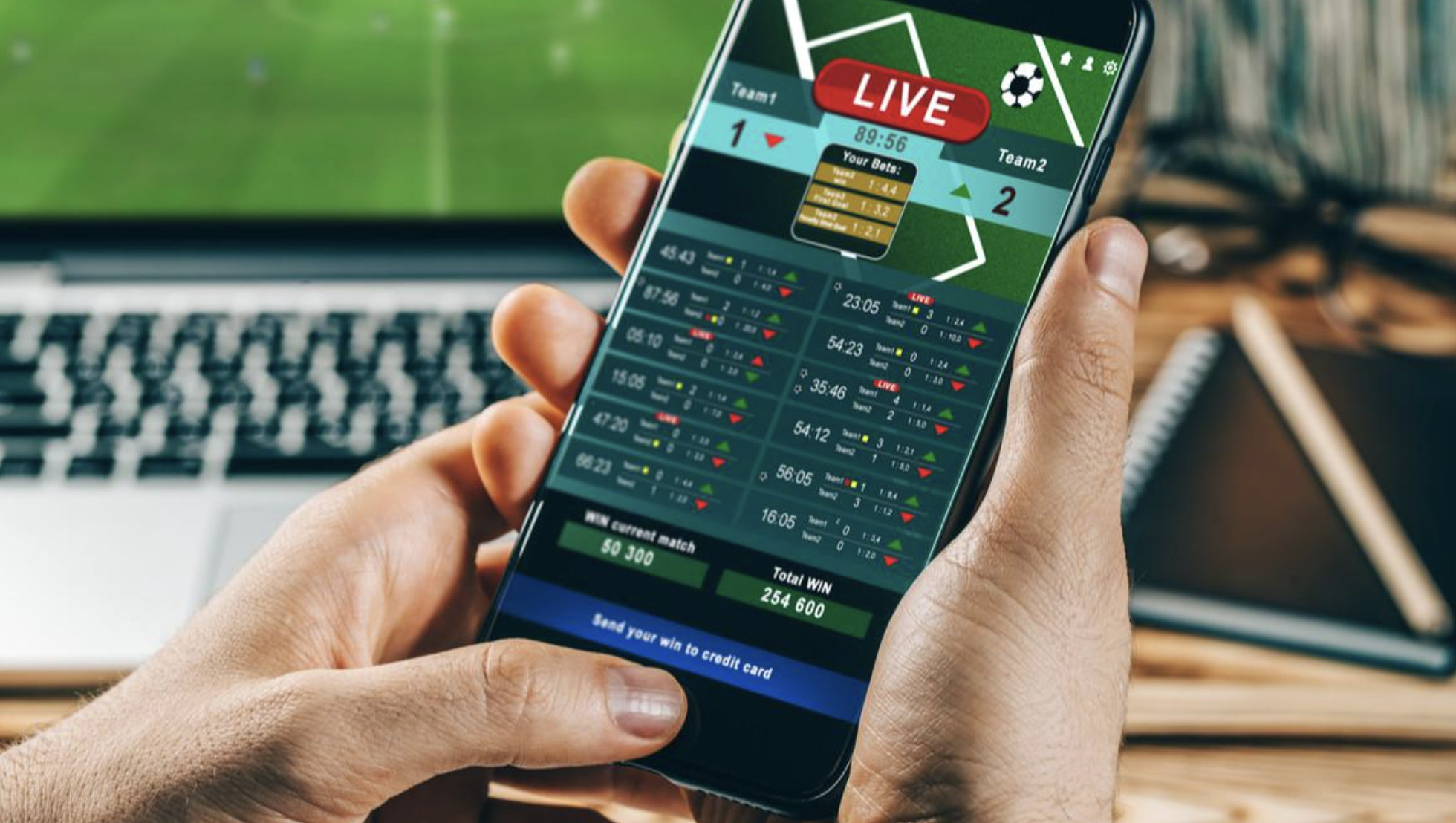
A decade ago, sportsbooks competed on price. The operator with the slightly better line on a Sunday slate won the customer. That still matters, but it is no longer where the battle is fought. Today's platforms compete on features — cash out buttons, bet builders, live in-play markets, instant deposits, personalised dashboards — and those features are designed as much to shape behaviour as to serve it. Understanding how they work is the difference between using a sportsbook with your eyes open and being quietly nudged by a product engineered to keep you betting.
The number underneath everything: the overround
Before any feature makes sense, it helps to understand how a book makes money in the first place. Odds are not a pure reflection of probability. They carry a built-in margin, known as the overround or the vig. If you add up the implied probabilities of every outcome in a market, a fair market would total 100 percent. A real sportsbook market totals more — often 105 to 110 percent on a simple two-way line, and considerably higher on markets with many outcomes. That extra slice is the operator's edge, baked into the price on every selection. Every feature layered on top of the odds inherits that same logic: it is built to be attractive, and it is built to preserve the margin.
Cash out: convenience with a price tag
Cash out is the feature that feels most like a favour. Your bet is running, the situation looks shaky, and the book offers to settle early for a guaranteed amount. It is genuinely useful for locking in a profit or salvaging part of a stake, and there is real value in certainty. But it is worth being clear about how the offer is calculated. The cash out figure is derived from the current live odds of your selection, with the operator's margin applied a second time on top of the margin you already accepted when you placed the bet. In effect, you are being charged the vig twice — once on entry and once on exit.
That does not make cash out a trap, but it does make it a convenience product rather than a value product. Taken consistently over time, accepting cash out offers will return less than letting bets run to their natural conclusion, because each early settlement hands the book another small edge. The feature is best understood as buying peace of mind, and peace of mind, like everything else on the platform, is priced.
Bet builders and same-game parlays: the house favourite
If there is one feature operators promote above all others, it is the bet builder — the ability to combine several outcomes from a single match into one bet, such as a team to win, a particular player to score, and the game to go over a certain number of points. They are marketed on the size of the potential return, and the returns can indeed look spectacular. They are also, by a wide margin, the most profitable product on the platform.
There are two reasons. First, combining selections multiplies the margin: each leg carries its own slice of vig, and stacking them compounds the operator's edge rather than adding it. A four-leg builder can carry an effective margin several times larger than a single bet. Second, the legs within one match are usually correlated — if a team wins comfortably, it is more likely that its star scored and that the game went over — and books price that correlation conservatively in their own favour, trimming the payout below what the combined true odds would suggest. Bet builders are fun, and the occasional large win is real, but they are designed as a high-margin entertainment product. Treating them as a serious value play misreads what they are for.
Live and in-play betting: speed as a feature
In-play betting, where odds update continuously as a match unfolds, is the most technically demanding feature a book offers and the one most shaped by infrastructure. Lines move on every meaningful event, markets are suspended for seconds around goals and key moments, and the operator is always working with a small information delay. That delay is why markets freeze precisely when something might be happening: the book is protecting itself against being picked off by someone watching a faster feed.
For the bettor, in-play offers genuine flexibility — reacting to how a game is actually going rather than committing everything before kick-off. But its real power, from the operator's side, is engagement. A pre-match bettor places one wager and waits. An in-play bettor can place dozens across ninety minutes, each one carrying margin, each one delivered with the immediacy that makes the next one easy. The feature that lets you bet smarter is the same feature that lets you bet far more often, and the platform is built to make the second outcome effortless.
What good platform design hides, and what it should reveal
The best modern sportsbooks are superbly engineered: fast, clean, frictionless, personalised down to the markets you see first. That polish is a real advantage when it serves the user — clear bet slips, transparent settlement, easy access to deposit limits and self-exclusion tools. It becomes a problem when the same design skill is pointed the other way, surfacing the highest-margin products most prominently and making the act of betting smoother than the act of stopping.
A useful test of any platform is how easy it makes the protective choices, not just the profitable ones. The deposit limit, the time-out, the reality check, the clear running total of what you have staked today — these should be as visible and as one-tap as the cash out button. Where they are, the operator is treating you as a customer to keep for years. Where they are buried, the design is telling you something.
None of these features is a scam, and used deliberately each has a place. But they are products, priced and built by people whose job is margin. The smartest thing any bettor can do is treat them that way: enjoy the convenience, respect the maths, set firm limits before starting, and remember that the only feature guaranteed to be on your side is the one that lets you walk away.
Betting carries real financial risk. Set a budget you can afford to lose, never chase losses, and use the deposit limits and self-exclusion tools your platform provides. If gambling stops being fun, free, confidential support is available through national problem-gambling helplines.