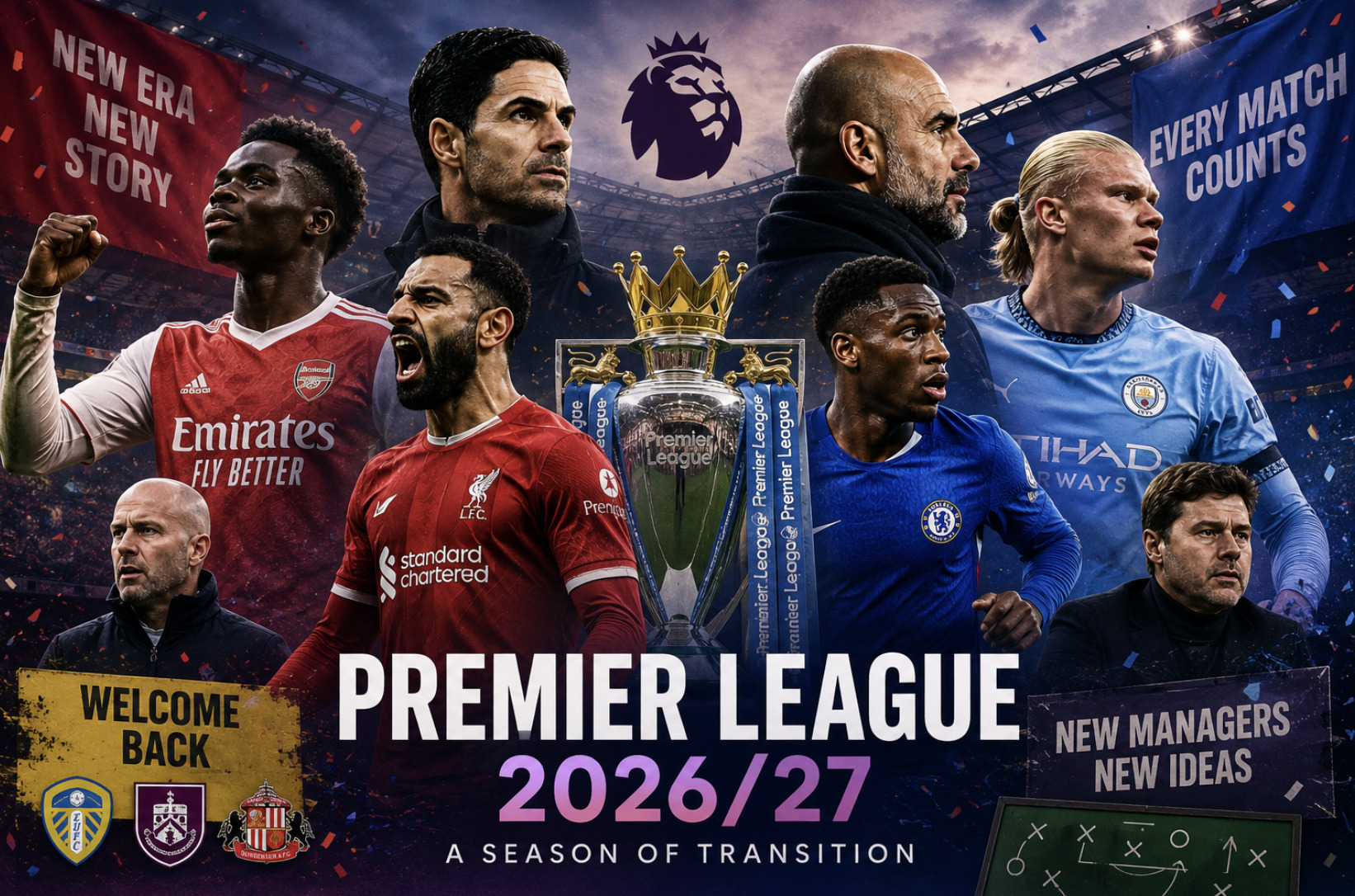
For the first time in a long while, the Premier League returns with genuine uncertainty at the very top. The 2026/27 campaign kicks off on Saturday 22 August, a week later than usual to give players some breathing space after a summer that ended with a World Cup final in New Jersey, and it opens on a landscape that looks strikingly different from the one fans left behind in May. Arsenal defend a title at last. Manchester City begin a season without Pep Guardiola for the first time in a decade. Two of the biggest clubs in the country start under new managers. And three familiar names return from the Championship hoping to survive. This is a season of transition dressed up as continuity, and it promises to be one of the most unpredictable in years.
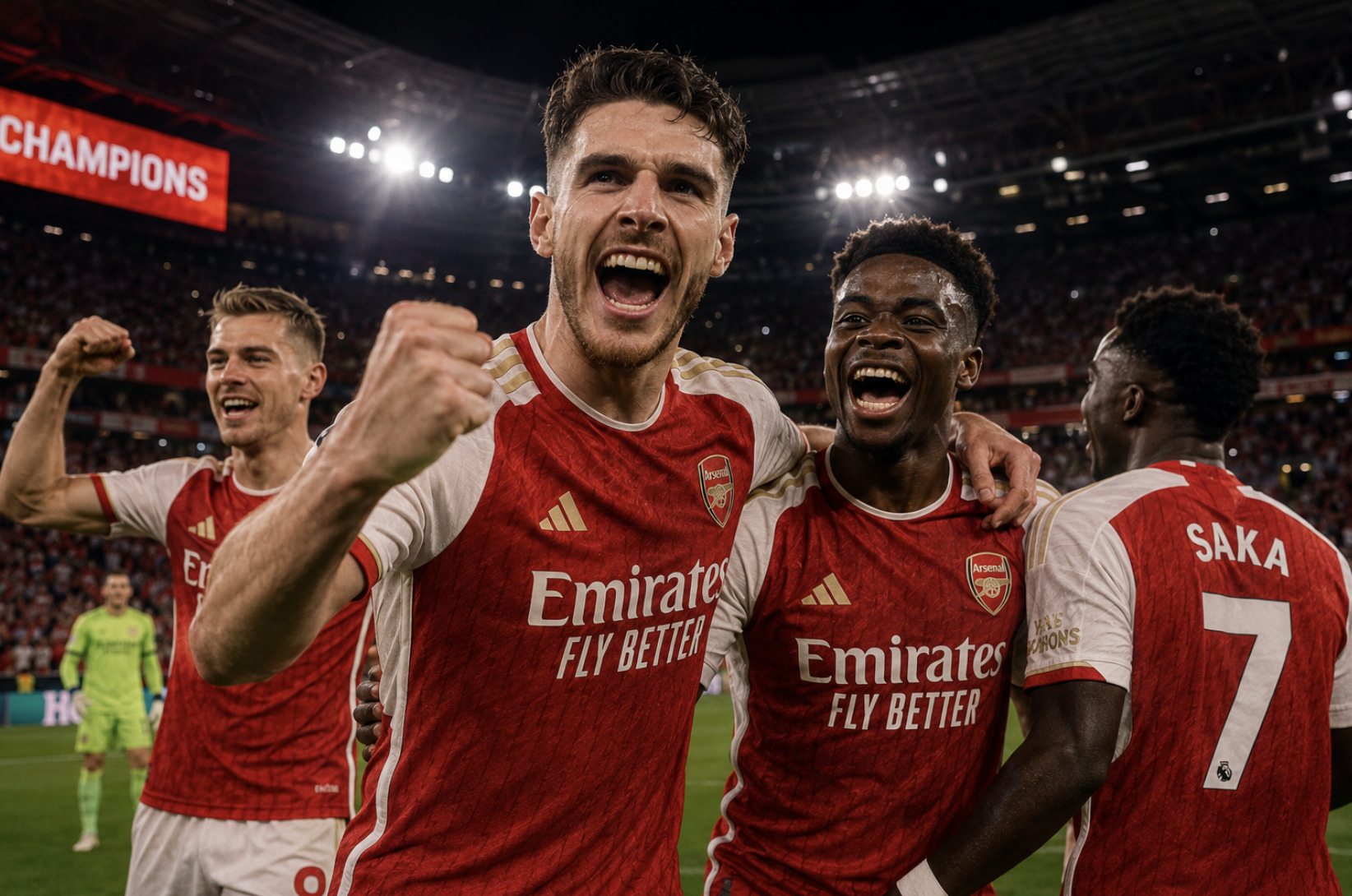
Arsenal begin as champions, and everything that means
The single biggest change is the one at the summit. Arsenal enter 2026/27 as reigning Premier League champions, and the psychological weight of that cannot be overstated for a club that spent so long as the perennial contender rather than the winner. For years Arsenal were the team that pushed, led, and then fell away in the spring; now they are the team everyone else measures themselves against. That shift from challenger to defending champion changes the whole complexion of their season, because the pressure is no longer to prove they can win it but to prove the win was not a one-off.
Defending a title is a different discipline from chasing one. The margin for the champions is thinner, the scrutiny heavier, and the hunger of the pack behind them sharper. Arsenal open at home in the first weekend against newly promoted Coventry City, the kind of fixture a title-holder is simply expected to win, and the season's early weeks will tell us a great deal about whether last year's triumph has settled them or unsettled them. A champion that plays with the freedom of a side with nothing to prove is formidable; a champion that plays tight, wary of losing what it has, is vulnerable. Which Arsenal shows up may decide the whole race.
Manchester City start again, without the man who built them
If Arsenal's story is about carrying a title, Manchester City's is about an ending. The club begin the season without Pep Guardiola, closing the most dominant managerial era the Premier League has ever seen. For a decade City were the sport's benchmark, a machine built in one man's image, and the question hanging over their entire campaign is simple and enormous: what is Manchester City without the manager who defined them? No club transitions from a figure of that stature without turbulence, and the first months will be an experiment played out in public.
The intrigue is not whether City still have talent — they do — but whether a squad shaped so completely around one philosophy can adapt to a new voice without losing the identity that made it great. Dynasties rarely end cleanly; more often they fade through a season of adjustment, as the old certainties dissolve and new ones take time to form. City open away at Bournemouth, and every result in those opening weeks will be read as evidence for one of two narratives: seamless continuity, or the beginning of a decline. The reality will probably be messier than either, but the story of the season's top four may well be written by how quickly City find their feet in the post-Guardiola world.
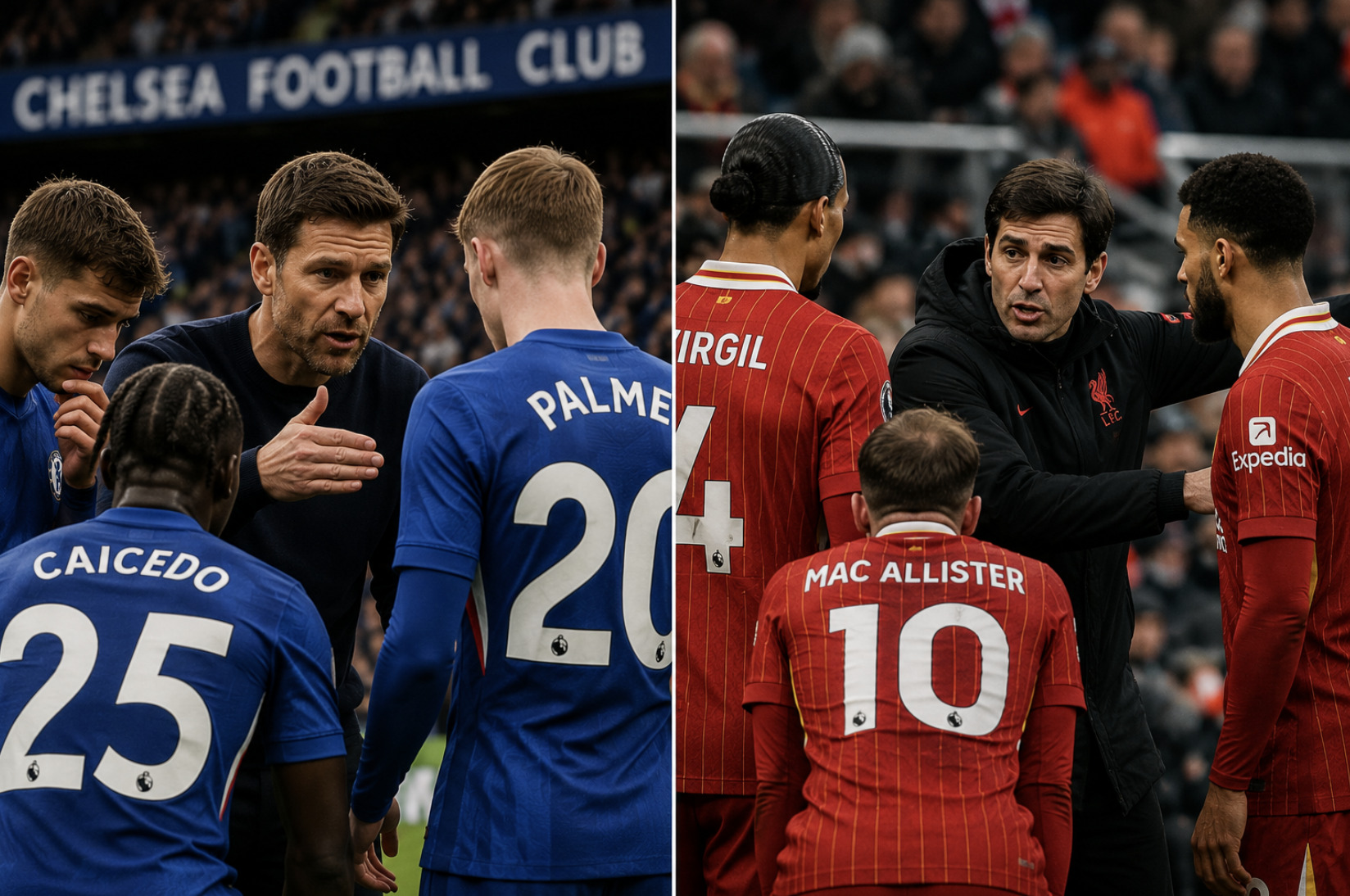
New men in two of the biggest dugouts
The managerial upheaval does not stop at City. Two more of the league's heavyweight clubs begin under new leadership, and the ripple effects will shape the entire table. Chelsea start a new era under Xabi Alonso, whose first game in charge comes with the added edge of a trip to local rivals Fulham, while Liverpool begin life under Andoni Iraola, opening away at Newcastle. Two clubs of that size changing manager in the same summer is unusual, and it means a significant portion of the league's resources is now in the hands of coaches still imposing their ideas on unfamiliar squads.
New managers make the early season harder to read, and that is part of what makes this campaign so open. A manager's first months are always a negotiation between his vision and the players he inherited, and until that settles, results can swing wildly. A side can look transformed one week and lost the next as the new system beds in. For Chelsea and Liverpool, both clubs with the resources to challenge but the disruption of a fresh start, the opening stretch is about how fast the new ideas take hold. Get it right early and either could gatecrash the title picture; get it wrong and the gap to the top can open before the identity has even formed. The way a team is being rebuilt often matters more to its results than the raw quality of its squad, a dynamic we've explored in why team playstyle shapes betting markets more than results.
The three who came up
Every season has its newcomers, and this year the promoted trio carries its own storylines. Coventry City, Hull City and Ipswich Town return to the top flight, each facing the familiar, brutal arithmetic of the Premier League: adapt fast or go straight back down. The gap between the Championship and the Premier League is one of the widest in world football, a chasm of pace, quality and financial power that swallows unprepared clubs whole, and the promoted sides' survival will be one of the season's quieter but more compelling subplots.
Their fixtures alone tell a story about the challenge. Hull City return to the big time by hosting Manchester United, precisely the kind of glamour occasion and daunting test that defines promotion, while Ipswich Town host fellow risers Sunderland in a match that could prove far more important to both than any game against a giant. Survival for the promoted clubs is rarely won against the elite, whom they are expected to lose to, but in the games against their fellow strugglers, where the real relegation battle is fought. How these three adapt — whether they can find enough points before the division's relentless quality grinds them down — will shape the bottom of the table long after the opening novelty has worn off.
An open race, and why that matters
Put all of this together and you have the ingredients for one of the most genuinely open Premier League seasons in memory. A first-time-in-a-while defending champion learning to carry a crown. The end of a dynasty at Manchester City and the uncertainty that follows. New managers at Chelsea and Liverpool still stamping their authority. A congested calendar that has already asked a great deal of the players and will ask more. When this much changes at once, the usual assumptions about who finishes where lose their force, and the season becomes harder to predict — which, for the neutral, is exactly what makes it worth watching.
Uncertainty is the Premier League's greatest product, and this season it is in unusually rich supply. The reasons the division has become the most-watched league on the planet are precisely the ones on display in 2026/27: competitive jeopardy, star quality, and the sense that on any given weekend the established order can be overturned. The opening weekend, spread across the last days of August, will offer the first real clues, but clues are all they will be. In a season with this many moving parts, the table will not settle for months, and the story will keep changing. That is not a flaw in the spectacle. It is the whole point of it, and 2026/27 looks set to deliver more of it than most.
Frequently asked questions
When does the 2026/27 Premier League season start? The season begins on Saturday 22 August 2026, a week later than the previous campaign. The later start was designed to give players more recovery time after a demanding summer that included the 2026 World Cup, and the final round of fixtures is scheduled for late May 2027.
Why is Arsenal the team to beat? Arsenal enter the season as reigning Premier League champions, having finally converted years of near-misses into a title. That makes them the benchmark others measure themselves against, though defending a crown brings its own pressures — the challenge shifts from proving they can win it to proving it was not a one-off.
What are the biggest storylines for the new season? Chief among them are Manchester City beginning their first season without Pep Guardiola, new managers taking over at Chelsea (Xabi Alonso) and Liverpool (Andoni Iraola), Arsenal defending their title, and the three promoted clubs — Coventry City, Hull City and Ipswich Town — fighting to survive in one of world football's most demanding leagues.